



Russia’s invasion of Ukraine happened just when markets were getting
ready for a series of Fed rate hikes, and encouraging signs were emerging
that the world was finally moving to an endemic state of Covid.
Before this invasion, 2022 had already witnessed a selloff in global
equities due to high inflation numbers and central banks worldwide
pledged to end the easy liquidity situation. The Fed dot plot indicated
around seven rate raises of a quarter-point each this year, followed by a
few more rate hikes in 2023.
We were cautious on the markets even before the Russia-Ukraine crisis
unfolded. With several sanctions imposed on Russia, we expect further
disruption in the global supply chains, and this event will make inflation
worse. Even the euphoria in the consumer confidence that was finally
emerging from Covid after two long years may be curtailed by rising
geopolitical tensions.
India has played a balanced approach by not explicitly siding with any of
the major powers involved nor speaking up against them. However, the
surge in Oil & Gas prices due to global supply disruption poses a problem
for the Indian economy. Higher oil prices could cause a rise in retail
inflation and impact households’ discretionary spending. Also, it may
widen India’s current account deficit due to higher oil import bills. India’s
massive foreign exchange reserves shall help tackle any volatility in the
currency.
From an equity markets perspective, the ongoing conflict between Russia
and Ukraine could cause short-term volatility. The uncertainty around the
Uttar Pradesh state election results and the Fed’s meeting in mid-March
could impact the markets.
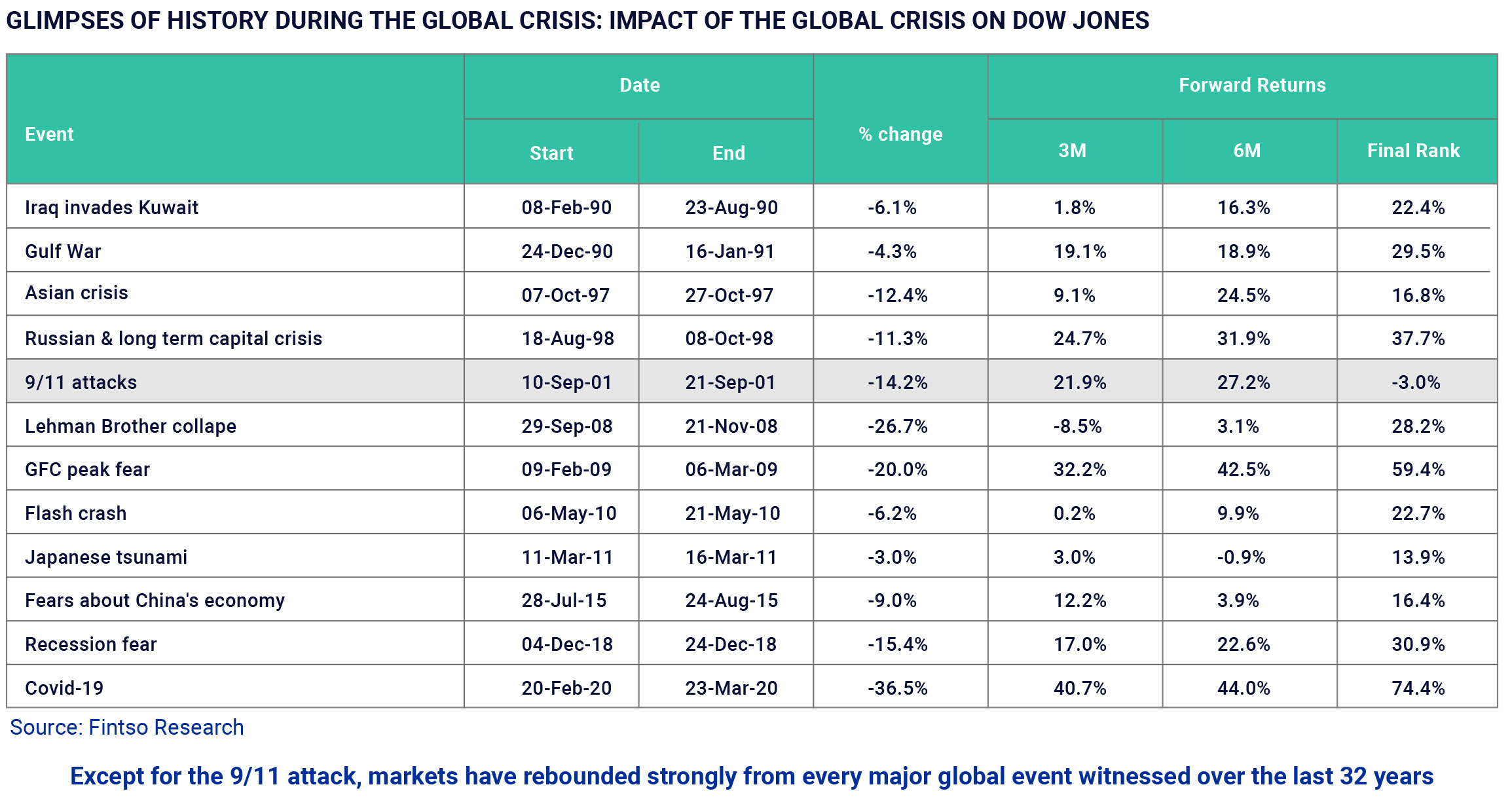
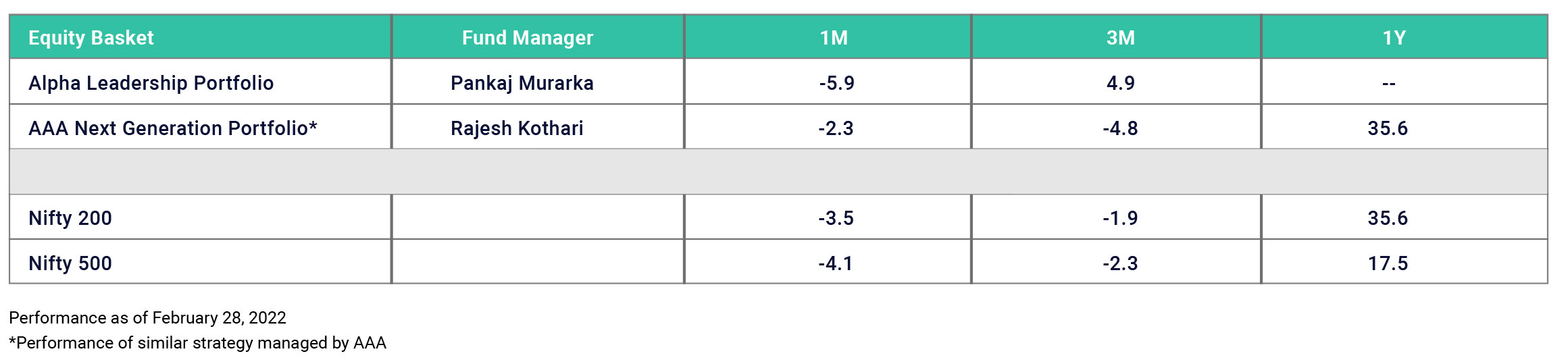
Given these headwinds, we would be cautious on the market and
recommend spreading your investments over the next 3-6 months. Most
stocks in the mid and smallcap segment have taken some beating due to
the recent volatility and are now available at cheaper valuations.
Systematically adding allocations to the midcap and smallcap segments
could benefit over 3-5 years.

Commodities, Particularly Oil & Gas As Well As Industrial Metals & Mining
This theme was already working well this year. The Russia-Ukraine event further bolsters the case for its continuing outperformance

Alternative Energy Companies
This theme was already working well this year. The Russia-Ukraine event further bolsters the case for its continuing outperformance

Defense And Aerospace
We posit that the invasion of Ukraine will lead to a big-spending ramp up in this sector, and significant global arms suppliers will be the
beneficiary

Global Shipping Companies
The disruption in supply chains and the need for Europe and Asia to increase their LNG shipments will keep shipping rates upward

Cybersecurity Companies
Cyberattacks are a big part of modern warfare among global powers. As Ukraine grinds on, the demand for companies that provide
Cybersecurity will surge rampantly

Banks And Other Lending Institutions
They are the beneficiaries of rising rate environment as the spread between their borrowing and lending rises
There are several products eligible for availing tax benefits under section 80C. These products range from life insurance policies to equity-linked saving
schemes (ELSS). Most investors consider investing in National Saving Certificate (NSC) or Public Provident Fund (PPF) as they are government-backed and
offer assured returns.
Any investment that offers assured returns and has low risk tends to offer moderate returns. On the other hand, investments in ELSS schemes can generate
higher returns at a higher level of risk. ELSS schemes are equity mutual funds, thereby can be volatile. These schemes invest across market capitalization
and have a lock-in period of 3-years.
The NSC, a post office savings product, is a fixed-income investment scheme offering an interest rate of 6.8% p.a. compounded annually with a lock-in of 5-
years. The PPF is also a fixed-income investment product offering an interest rate of 7.1% p.a. compounded annually with a lock-in of 15-years.
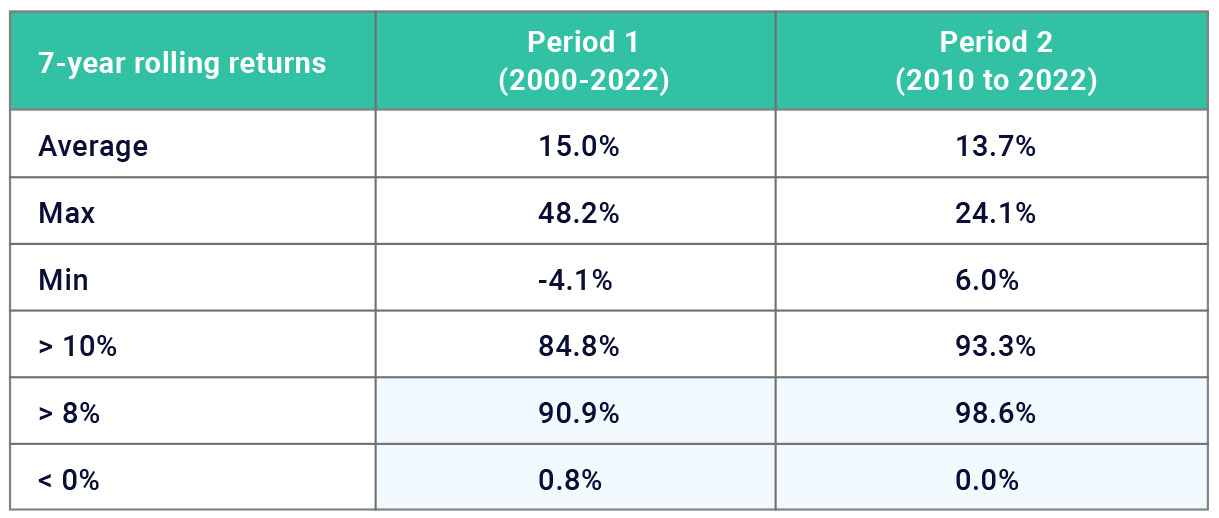
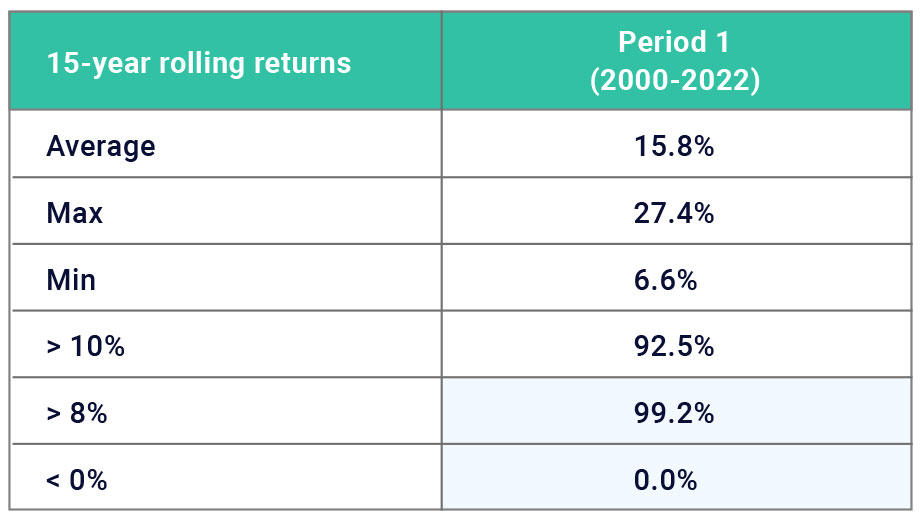
For an apple to apple comparison, we evaluate the rolling returns of 5-years, 7-years, and 15-years of ELSS schemes vis-à-vis returns offered by NSC and
PPF
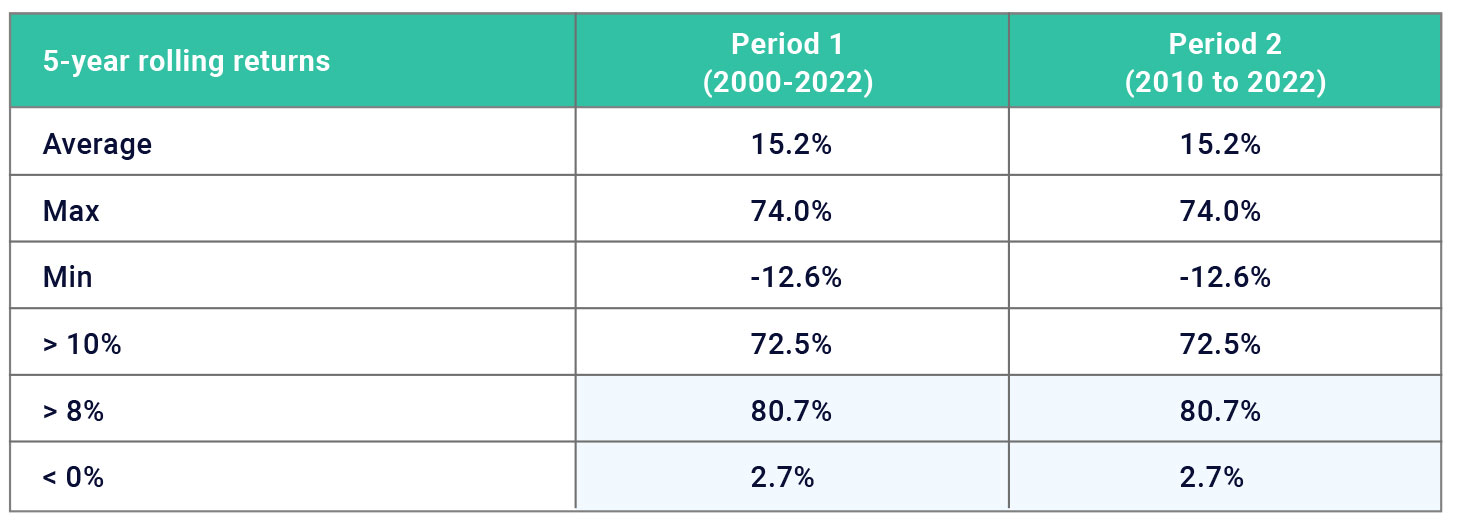
For a holding period of any 5-years from 2000-2022 (month-end), the average performance of all ELSS funds stands at 15.2%. Over this period, almost
81% of the time, these ELSS funds have given returns more than 8%, beating the returns offered by both NSC & PPF. Also, only 2.7% of the time, these
ELSS funds gave negative returns for a 5-year holding period. Thereby, an investor with an even moderate risk appetite can consider investing in ELSS
funds over other secured investments given the potential upside these funds have to offer (average of 15.2% CAGR, and generated more than 10% returns
72.5% of the time).
Similarly, when we look at a holding period of 7-years and 15-years, the case for investing in ELSS funds over NPS and PPF only becomes more robust
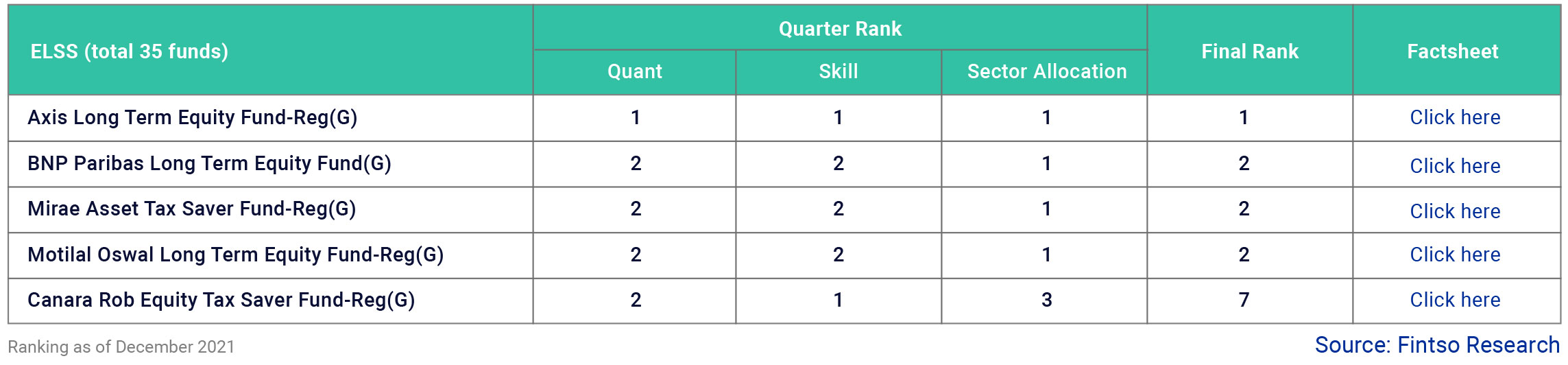
To further reduce the risk, we recommend investing in 2-3 ELSS schemes. Based on our fund selection process that considers performance and fund management aspects, below is the list of our recommended ELSS schemes.